Arts Council funding & project management
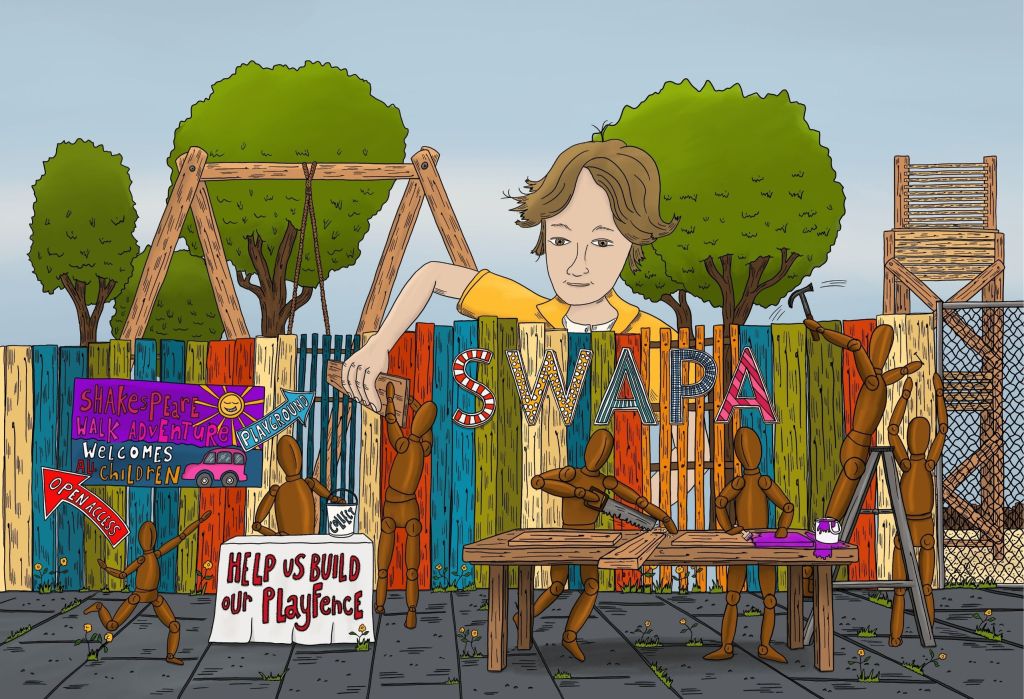
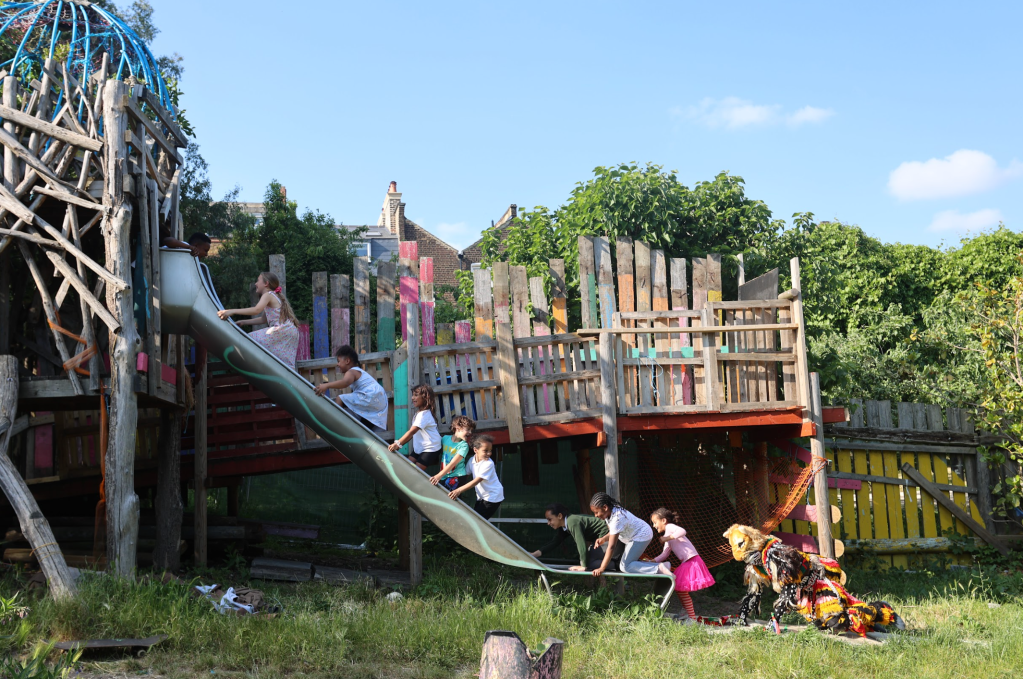
As a trustee of Shakespeare Walk Adventure Playground (SWAPA), I stepped into a project management and creative development role to tackle a surprisingly enormous challenge: the playground’s 45-year-old perimeter fence was collapsing… and replacing it was going to cost a painful amount.
Adventure playgrounds are extraordinary places — the last pockets of free, child-led play in cities, where young people hear “yes” far more often than “no”. But they survive on razor-thin budgets. A failing fence isn’t just a safety issue — it’s an existential threat.
So we asked a much more interesting question:
What if a fence wasn’t just a fence?
What if it could become a playable structure?
That’s how The PlayFence was born — and how I found myself leading a six-month creative consultation supported by funding I helped secure from Arts Council England.
Understanding the challenge
Adventure playgrounds like SWAPA are beloved, chaotic, imaginative community hubs… and they’re under constant threat. Our fence was literally coming down in sections. Standard replacement quotes were astronomical.
Instead of sinking money into something functional-but-boring, we decided to transform a necessary piece of infrastructure into something joyful, imaginative and child-designed.
This meant thinking strategically:
• how to engage children safely and meaningfully
• how to involve artists and designers
• how to create something that lasts
• how to turn consultation into a powerful community moment
Child-led co-design
I co-designed and ran a six-month consultation process, bringing together:
- children and young people from the playground
- architects
- designers
- parkour specialists
- street artists
- playworkers
- community members
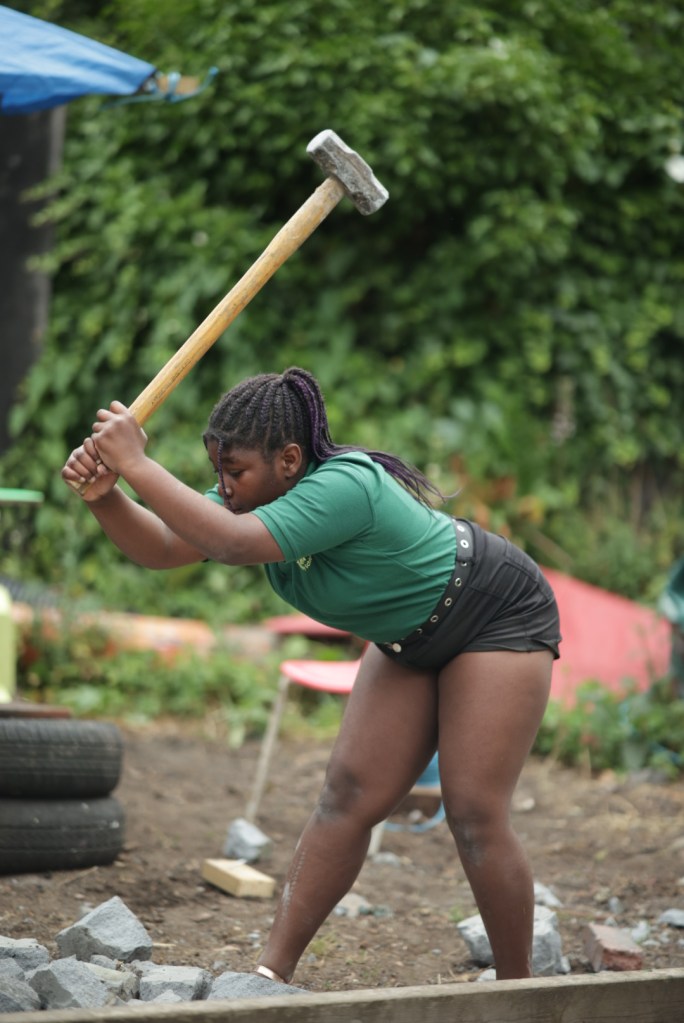
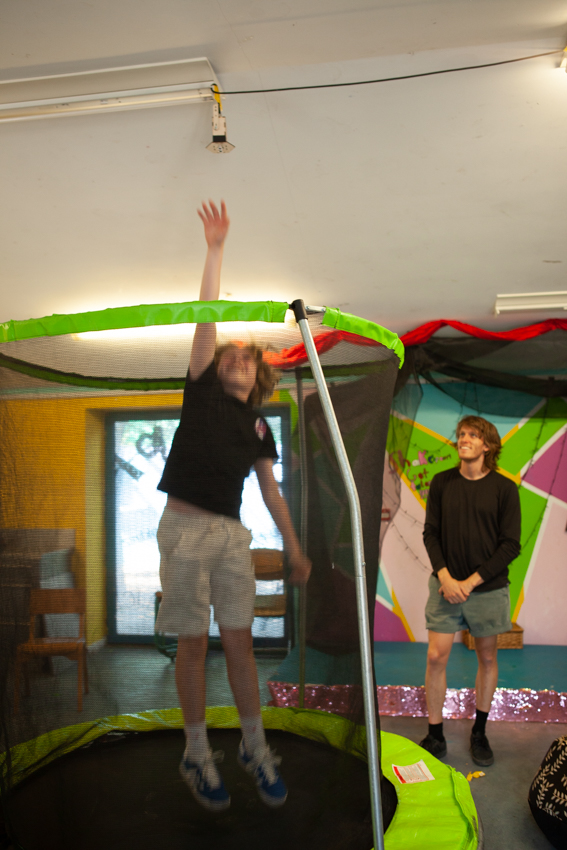
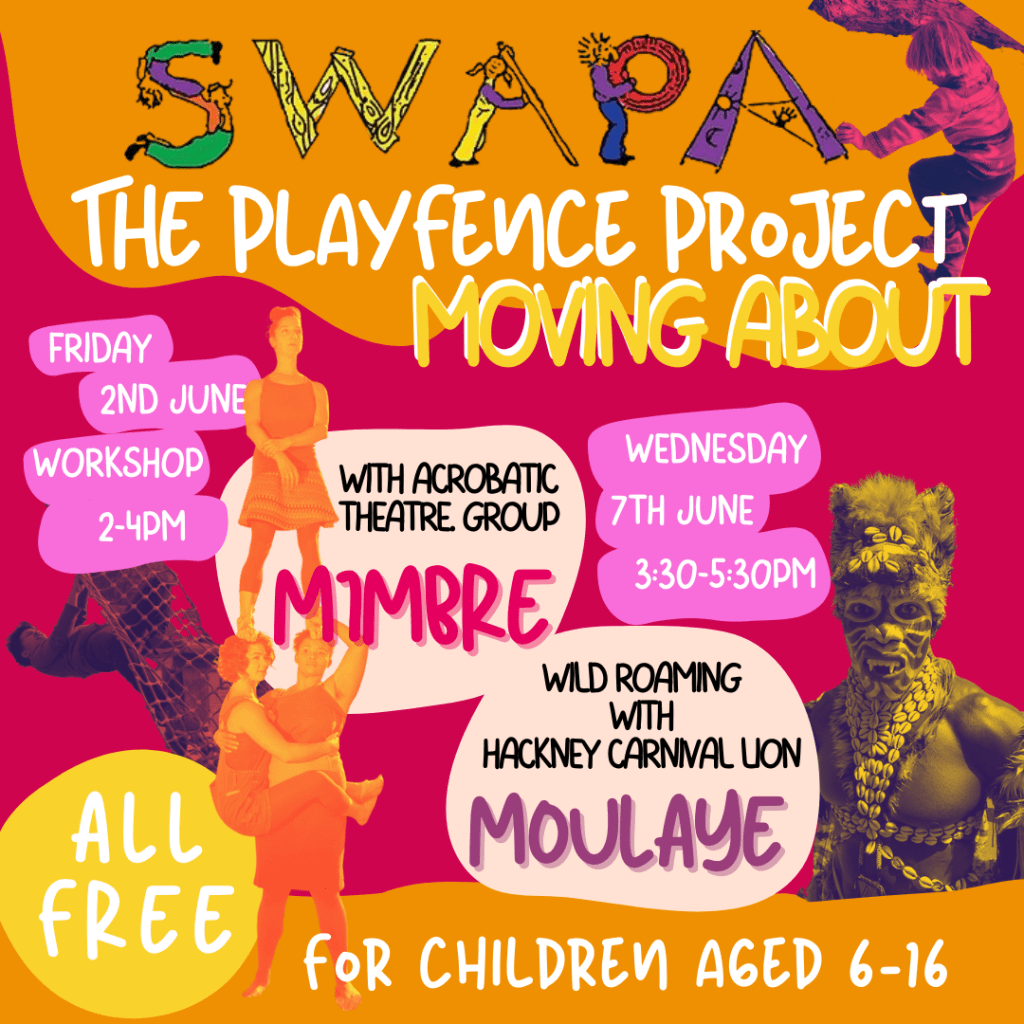
Workshops explored movement, risk, creativity, texture, sound, boundaries and freedom. We held hands-on making sessions, sensory explorations, imagination labs and outdoor co-creation events.
The children led every decision — from shapes to colours to what felt fun, safe and “very SWAPA”.
This produced a set of design principles that shaped the concept from the inside out.


Concept development & creative vision
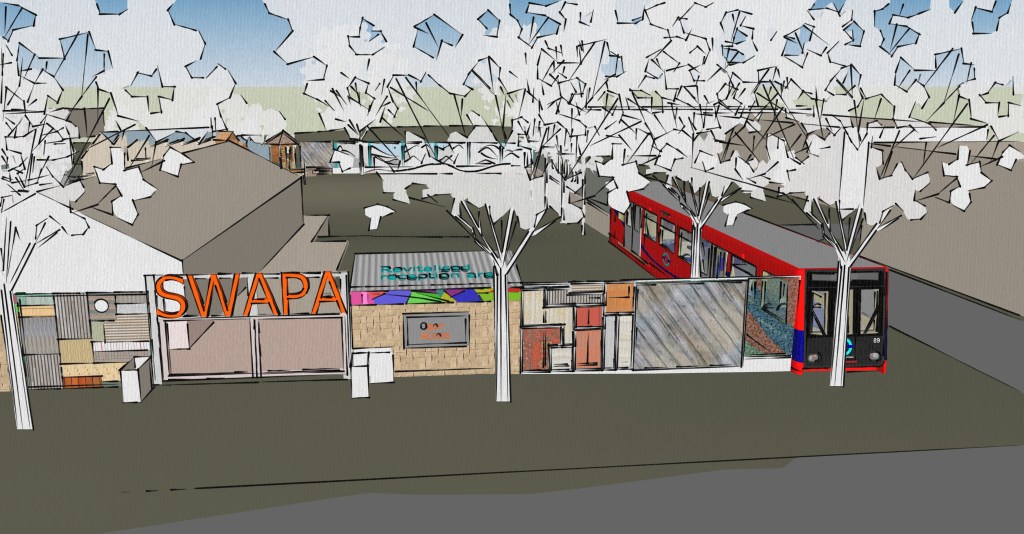
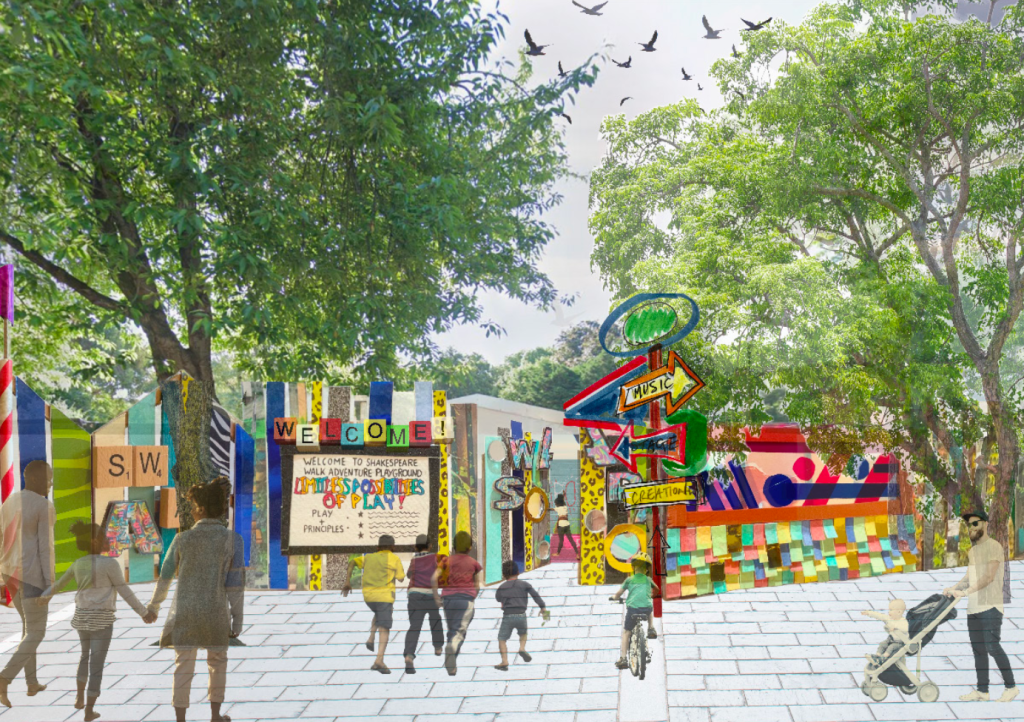
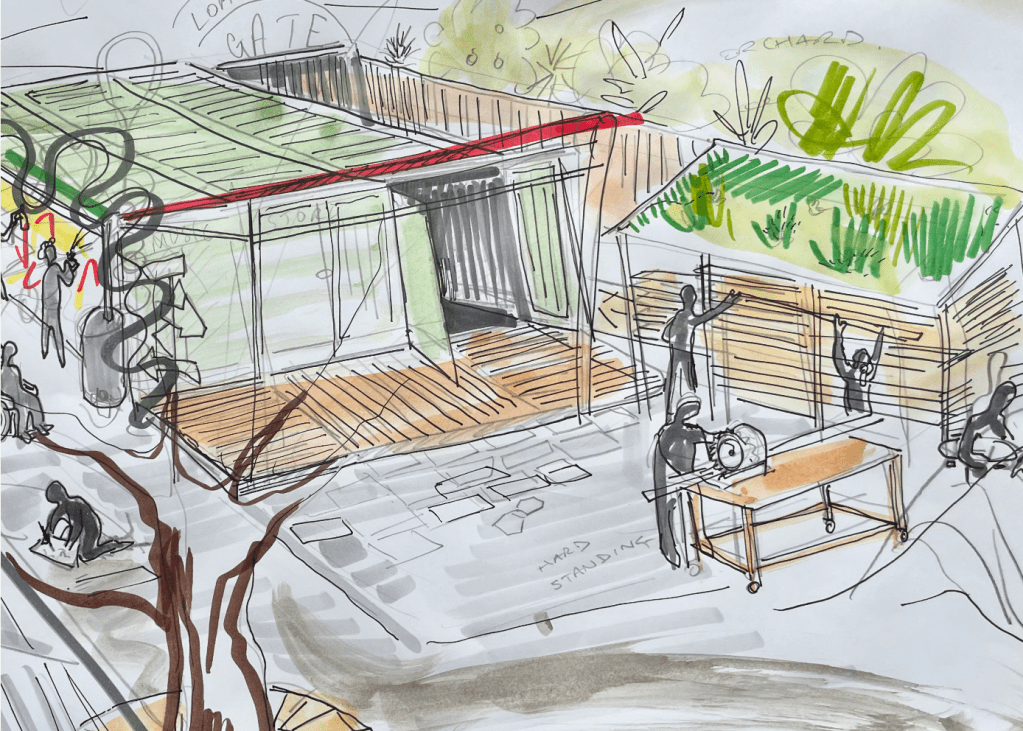
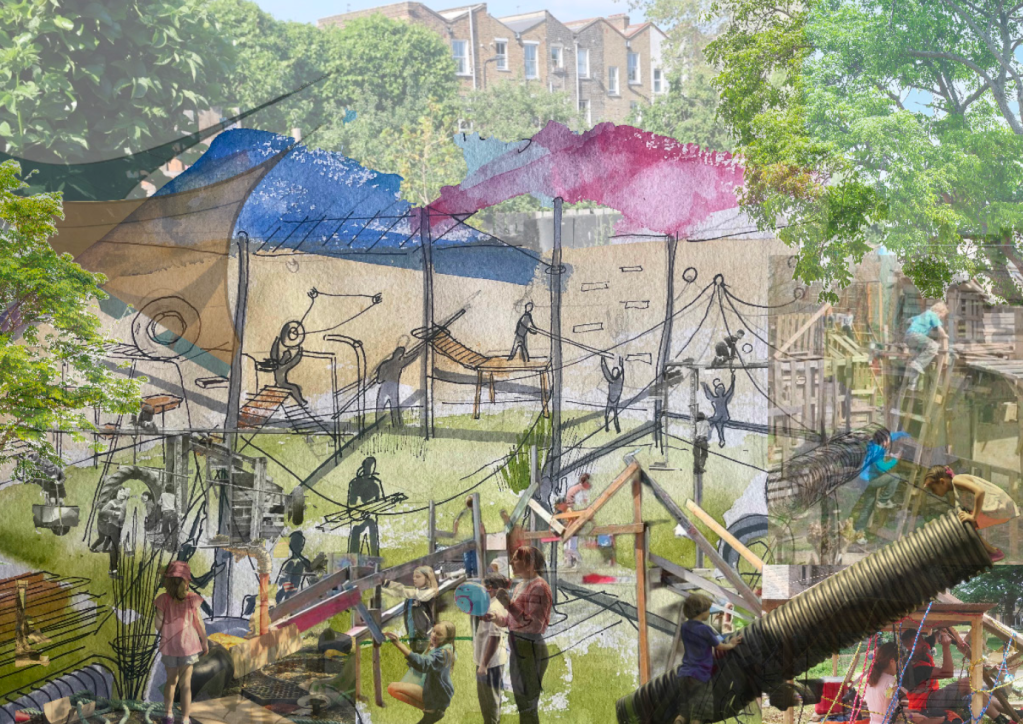
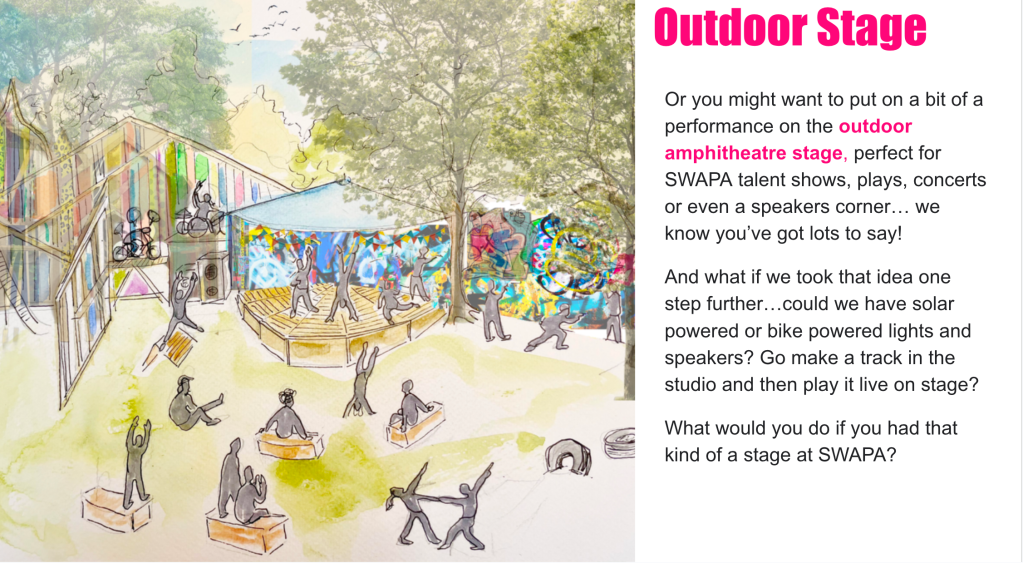
With the children’s ideas front and centre, I worked closely with artists and designers to develop a set of integrated concepts for the PlayFence:
- a 360° parkour loop
- outdoor modular building elements children can adapt over time
- graffiti and mural panels for rotating street art
- sensory tunnels and hidden nooks
- playable textures and climbable shapes
We turned all of this into a blueprint and vision document ready for the next fundraising phase and future build.
This wasn’t just a fence replacement. It was a new kind of play architecture — one shaped by the children themselves.
Towards the build phase
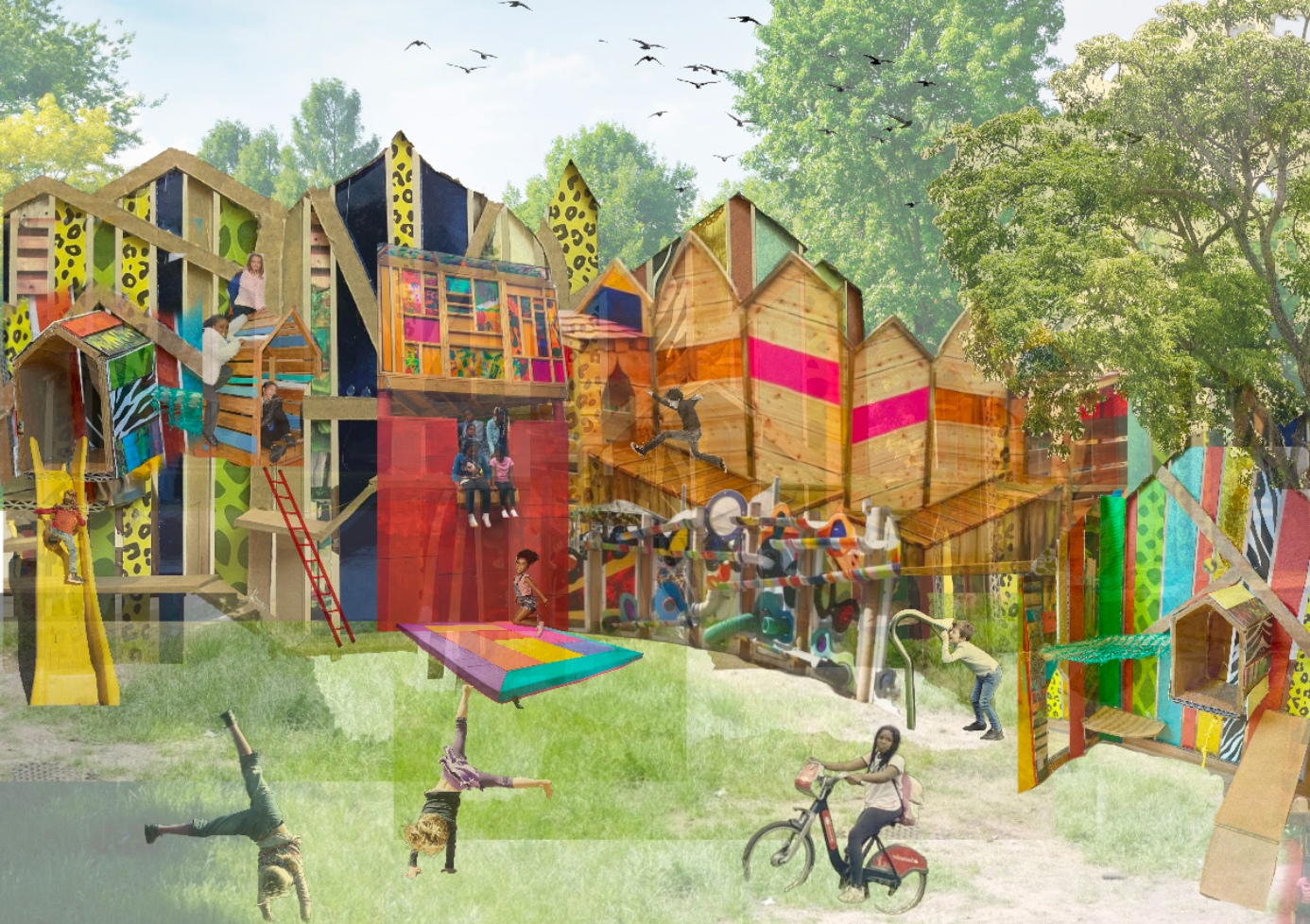
The consultation process culminated in a full concept package for funders, architects and the council.
We’re now entering the build phase, turning children’s designs into a real, permanent structure that keeps SWAPA safe — and becomes a landmark of child-led design in Hackney.
Follow the project:
👉 https://www.swapa.org.uk/playfence
Why this project matters to me
SWAPA is not just a playground — it’s a lifeline for hundreds of children, including those who don’t always fit easily into school or structured activities.
Being able to help protect and reimagine a space that champions freedom, creativity and community felt deeply important.
The PlayFence project showed what happens when you trust children with real decision-making power: they imagine bigger, bolder and more beautifully than any adult committee ever could.
Helping secure funding, shape the creative vision and honour the children’s ideas has been one of the most meaningful things I’ve done as a trustee. Play is political. Play is protective. And at SWAPA, play is truly at the heart of everything.
Seeing this project now move toward the build phase is incredibly exciting — and a reminder that when you listen to children, they always lead you somewhere brilliant.
 Katherine Mengardon